

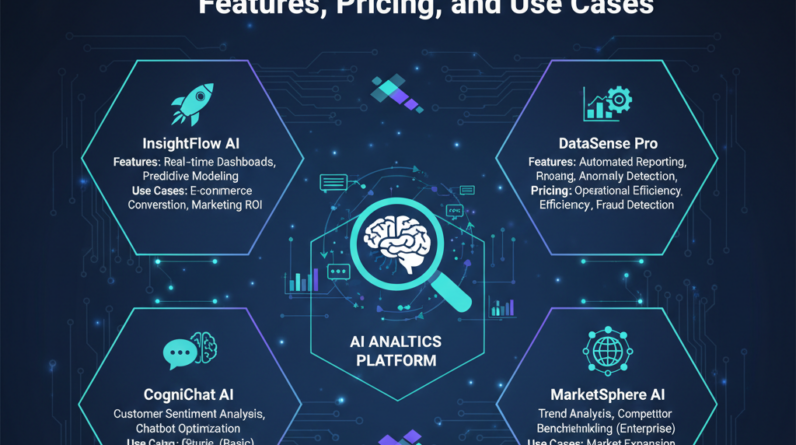
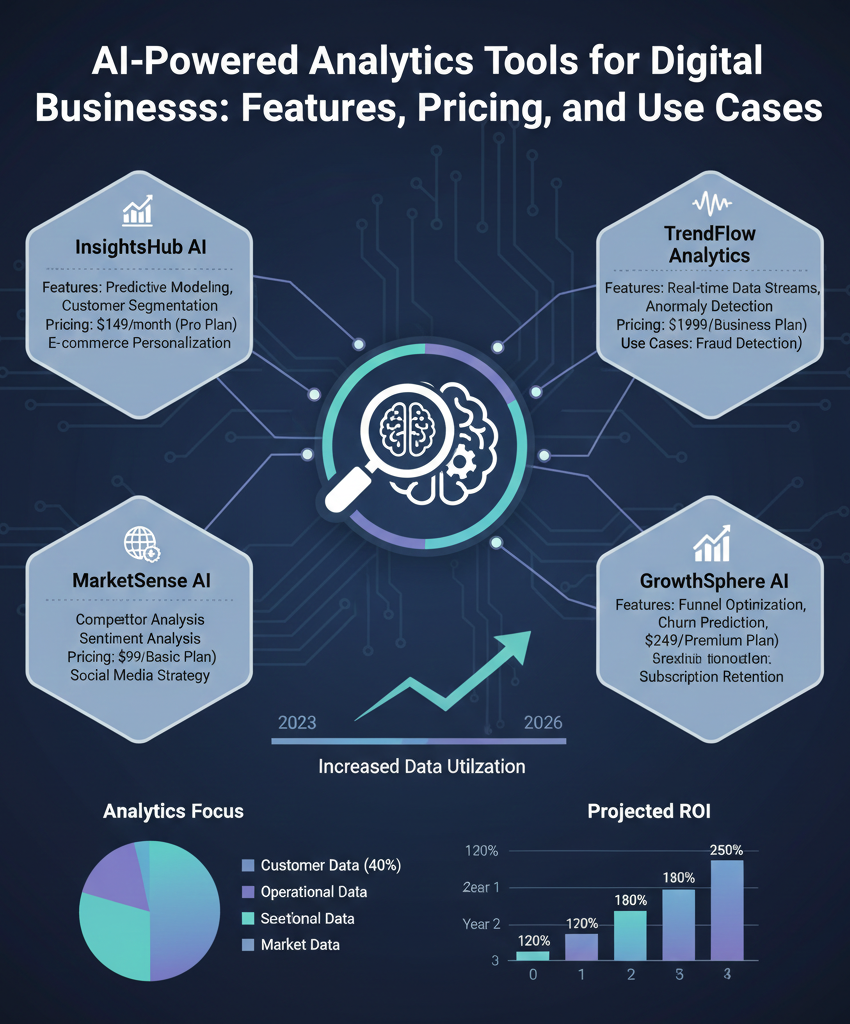
AI-Powered Analytics Tools for Digital Businesses: Features, Pricing, and Use Cases
In 2026, data isn’t just an asset — it’s the heartbeat of every successful digital business. But raw data alone isn’t enough. To make smart decisions, companies need tools that turn data into insight, insight into strategy, and strategy into measurable results. That’s where AI-powered analytics platforms come in.
These intelligent systems go beyond traditional reporting by using machine learning, predictive models, and natural language processing to help businesses anticipate trends, personalize experiences, boost efficiency, and scale with confidence.
In this guide, we’ll explore the most compelling features of AI analytics tools, typical pricing models, and real-world use cases that show how data can be transformed into competitive advantage.
What Makes AI Analytics Different?
Unlike conventional analytics platforms that simply chart numbers or describe past performance, AI-driven tools can:
-
Predict future outcomes — such as sales trends or customer churn
-
Automate insights — without requiring manual querying
-
Detect anomalies — alerting teams to unexpected patterns
-
Support natural language queries — so non-technical users can ask questions in plain English
-
Integrate across data sources — from CRM, marketing platforms, web traffic, to financial systems
Essentially, AI analytics doesn’t wait for questions — it generates answers and recommendations proactively.
Key Features of Top AI Analytics Platforms
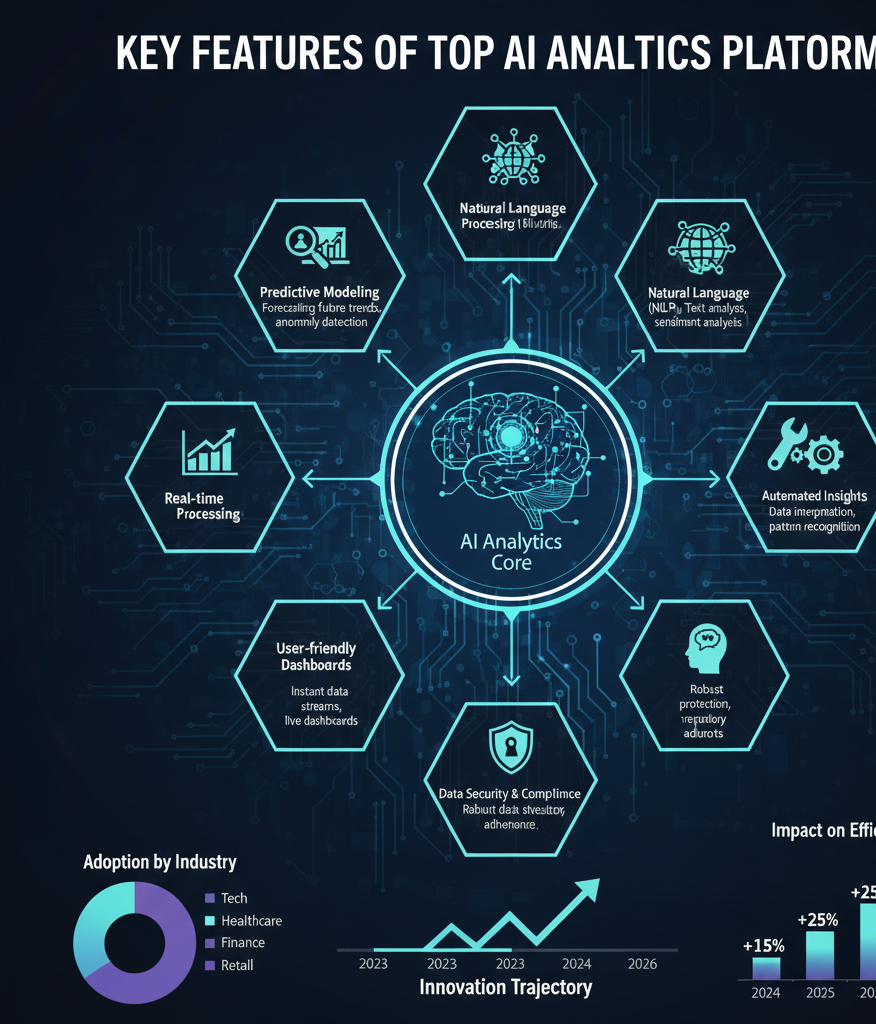
Below are the capabilities businesses should expect from leading AI analytics tools in 2026:
1. Predictive and Prescriptive Insights
These tools use historical data and AI models to not only forecast what might happen next but also recommend what action to take to steer results.
For example, an e-commerce brand can predict which products will sell best in the next quarter and automatically adjust inventory recommendations.
2. Real-Time Dashboards and Alerts
Data moves fast. The best tools update dashboards in real time and send alerts when something significant occurs — like a sudden drop in conversions or spike in support tickets.
This means teams spend less time refreshing reports and more time responding to change.
3. Natural Language Query (NLQ)
NLQ allows business users to type questions like “Which marketing channel drove the most revenue last month?” and receive immediate, AI-generated visual answers — even without SQL or analytics training.
This dramatically lowers the barrier to insight for teams across marketing, sales, and operations.
4. Automated Anomaly Detection
Instead of manual anomaly hunting, AI analytics tools continuously monitor data streams and highlight suspicious patterns — like abnormal traffic surges or unusual customer behavior — so teams can act before issues escalate.
5. Cross-Platform Data Integration
The value of analytics lies in connecting disparate sources into a unified view. Leading AI platforms can ingest data from cloud apps, databases, and both structured and unstructured sources, giving businesses a 360-degree perspective.
Typical Pricing Models
AI analytics tools vary widely in price depending on features and scale. Here are the common pricing approaches:
Subscription-Based Tiers
Most platforms offer tiered plans, such as Basic, Pro, and Enterprise, with features unlocked at higher levels.
-
Basic: Ideal for small teams, offering standard reporting and dashboards
-
Pro: Adds predictive analytics, integrations, and customization
-
Enterprise: Full AI automation, advanced security, and priority support
Subscription costs can range from roughly $50–$500+ per user per month, depending on the platform and included features.
Usage-Based Pricing
Some vendors charge based on:
-
The number of queries generated
-
Volume of data processed
-
API calls or data connectors used
This model benefits data-intensive organizations that may not need unlimited access but want flexibility.
Custom Enterprise Contracts
Large organizations often negotiate customized agreements that include dedicated support, custom integrations, white-glove onboarding, and service level commitments.
Real-World Use Cases for Digital Businesses
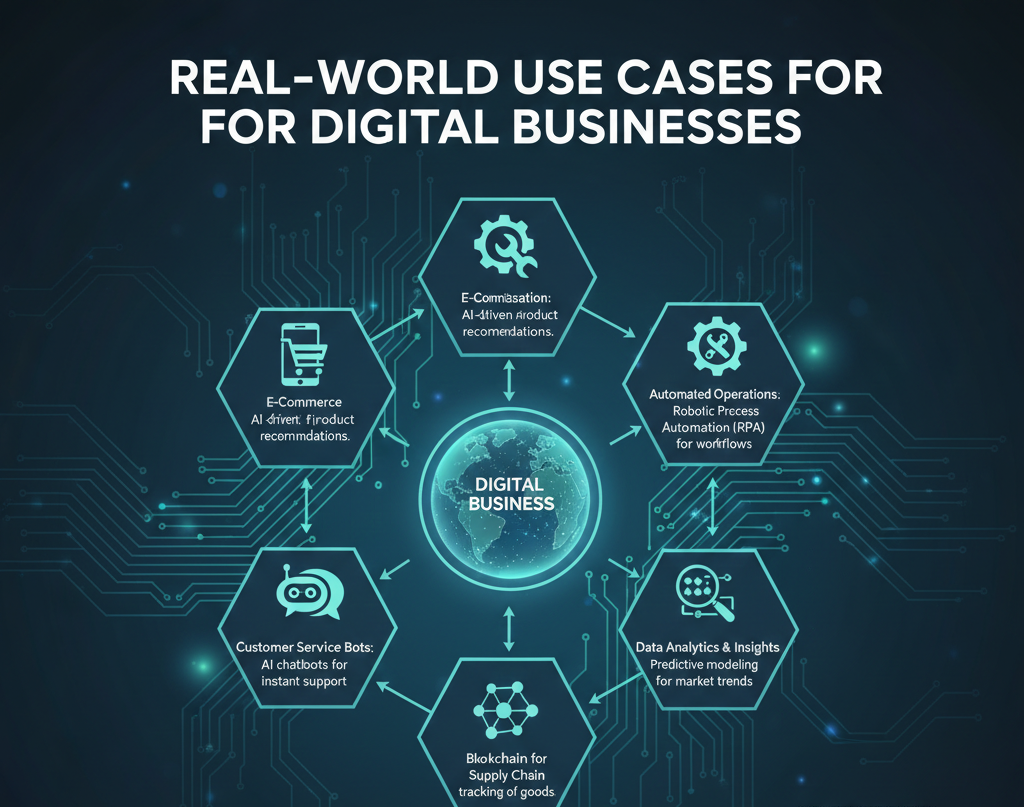
Let’s look at how AI analytics platforms power results across industries:
📈 E-Commerce: Increasing Revenue & Retention
A mid-sized online retailer uses AI analytics to:
-
Forecast demand for seasonal products
-
Tailor marketing campaigns based on predicted buying behavior
-
Identify at-risk customers and automate retention offers
As a result, the company increases repeat purchases and reduces churn.
💡 Marketing: Optimizing Budget Allocation
A digital agency uses predictive analytics to assess which channels deliver the highest ROI. The system automatically recommends budget adjustments in real time, boosting campaign performance while lowering ad spend waste.
🧠 Product Development: Feature Prioritization
Product teams use AI insights to understand which features customers engage with most. By analyzing usage patterns and feedback sentiment, teams prioritize enhancements that drive adoption and retention.
📊 Finance: Cash Flow Forecasting
Finance departments integrate AI analytics to track revenue trends, predict cash flow shortages, and model different financial scenarios. This allows CFOs to make data-backed decisions and plan growth investments with more confidence.
Best Practices for Implementation
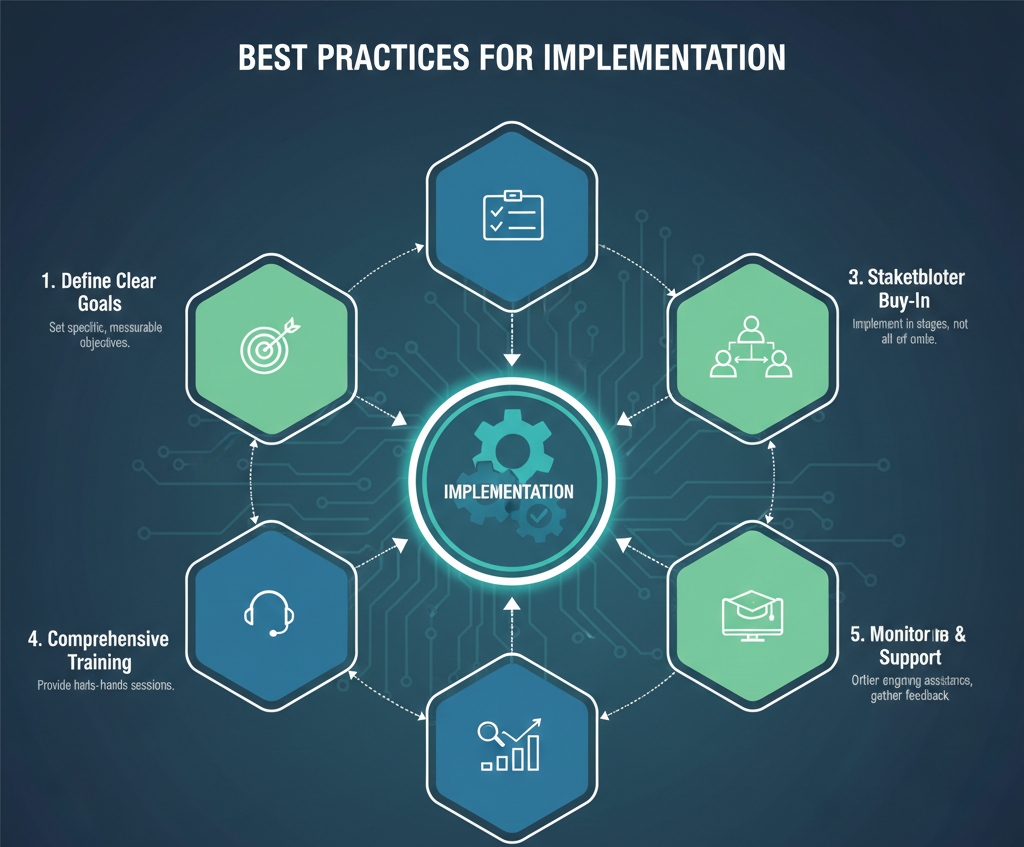
To extract maximum value from AI-powered analytics, businesses should:
-
Establish clear goals before investing
Define specific problems you want analytics to solve — such as reducing churn or improving campaign ROI. -
Ensure data cleanliness and governance
AI is only as good as the data it receives. Consistent data standards improve outcomes. -
Train teams on tool usage
Adoption across departments boosts insights and cross-functional collaboration. -
Review analytics output regularly
Set recurring check-ins to interpret insights and adjust strategy.
By aligning analytics with business priorities, companies can turn insights into action.
Final Thoughts

AI-powered analytics platforms are no longer optional — they’re essential for digital businesses looking to stay competitive in 2026. From predicting future trends to automating complex insights, these tools help organizations make faster, smarter decisions.
Whether you’re scaling your operations, refining your marketing mix, or improving product engagement, the right AI analytics solution can be a game-changer.