

Best SaaS Platforms for Remote Work & Digital Teams (Productivity & Security)
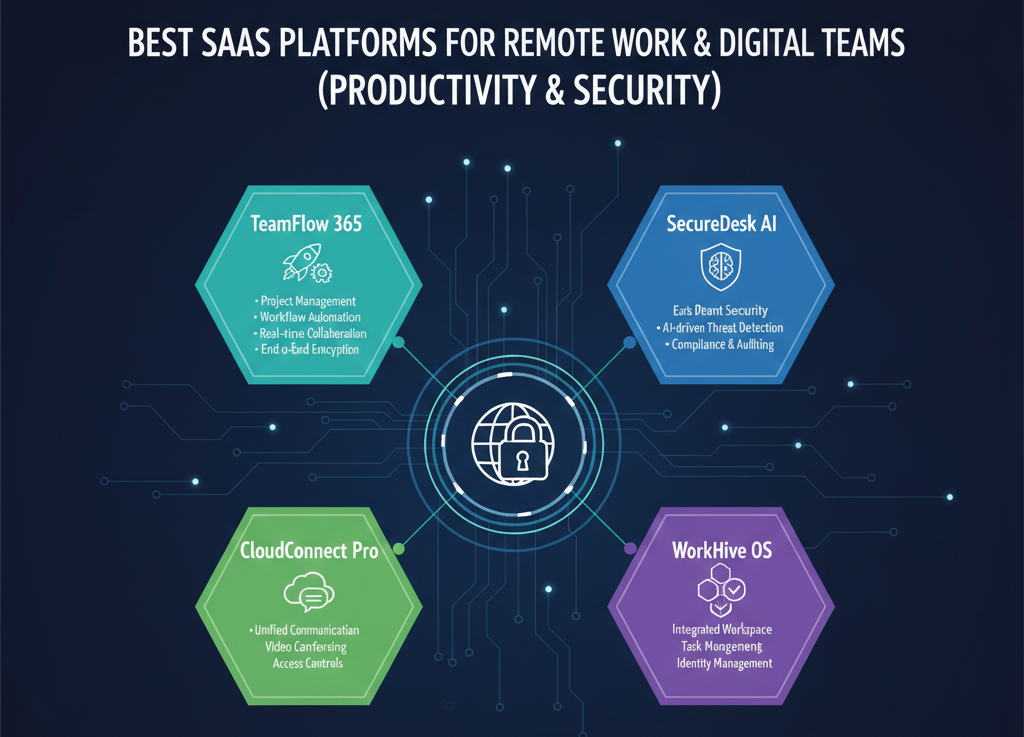
The way we work has permanently changed. In 2026, remote and hybrid models are now standard for many companies — and with good reason. They offer flexibility, access to global talent, and reduced overhead. But with this shift comes new challenges: how to keep teams productive, connected, and secure when they aren’t physically together.
This guide walks you through some of the best SaaS platforms for remote work and digital teams — focusing on both productivity and security. Whether you’re leading a startup, scaling a business, or improving workflows, the right tools can make a real difference.
Why SaaS Matters for Remote Work
Software-as-a-Service (SaaS) tools have become the backbone of modern work environments. Hosted in the cloud and accessible from anywhere, these platforms remove the need for complex infrastructure and allow teams to collaborate in real time. For remote teams, SaaS solutions are essential because they:
-
Break down communication barriers
-
Automate routine tasks
-
Centralize data and workflows
-
Provide strong security and compliance
-
Scale with your business needs
-
Keep costs predictable
With so many options available, choosing tools that balance efficiency, ease of use, and protection is crucial.
Top SaaS Platforms for Productivity

1. Collaboration & Communication: Slack
Slack continues to be a leader in team communication. It offers channels, direct messaging, file sharing, and integrations with countless other tools.
Why it works well:
-
Real-time conversations replace endless email threads
-
Customizable workflows and app integrations
-
Searchable history keeps teams aligned
Slack is especially effective for teams that value fast, contextual communication.
2. Video Conferencing: Zoom
Zoom remains a staple for remote meetings, webinars, and virtual collaboration sessions. Its intuitive interface and reliability make it a go-to choice for teams of all sizes.
Key strengths:
-
High-quality video and audio
-
Breakout rooms for workshops or group work
-
Integration with calendars and scheduling tools
For teams that conduct frequent presentations or client calls, Zoom delivers performance with minimal friction.
3. Project Management: Asana
Asana helps teams turn big ideas into organized action plans. From simple to-do lists to complex project timelines, it brings clarity to work.
Why teams love it:
-
Custom task views (list, board, timeline)
-
Automated task rules
-
Reporting dashboards for progress tracking
Whether you’re managing sprints or content calendars, Asana keeps everyone aligned.
4. Document Collaboration: Google Workspace
Google Workspace (Docs, Sheets, Slides, Drive) revolutionized collaborative productivity. Multiple people can edit in real time, comment, and share without version confusion.
Great for:
-
Live collaboration on documents
-
Secure cloud storage
-
Seamless integration across apps
Because it’s browser-based, teams can work together no matter where they are.
Best SaaS Tools for Security & Governance
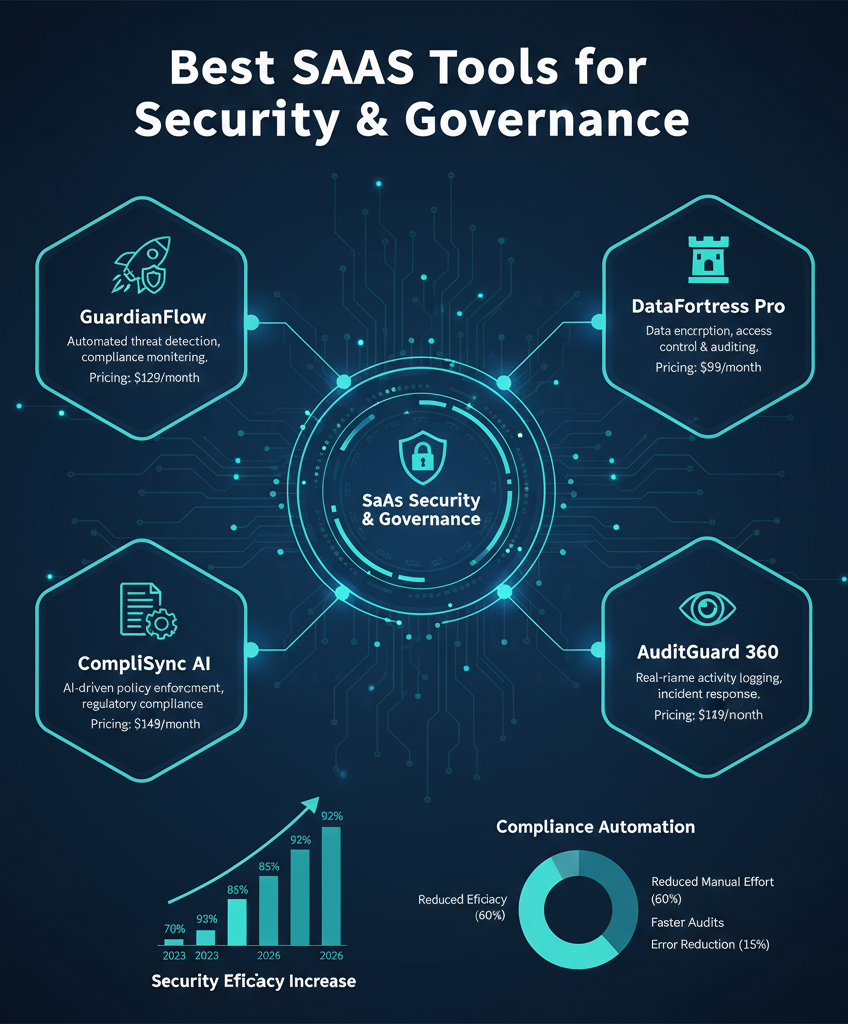
Remote work increases the attack surface for cyber threats — especially if team members use personal devices or unsecured networks. These SaaS platforms help protect data and enforce security policies.
5. Identity & Access Management: Okta
Okta provides secure access controls across thousands of apps. It ensures that only authorized users can connect to company resources.
Key benefits:
-
Single Sign-On (SSO) for productivity apps
-
Multi-Factor Authentication (MFA)
-
Centralized identity management
For companies managing distributed teams, Okta helps reduce the risk of unauthorized access.
6. Cloud Security: CrowdStrike Falcon
CrowdStrike Falcon is a cloud-native endpoint security platform built for modern, distributed environments. It combines AI analytics and real-time monitoring to stop threats before they spread.
Security highlights:
-
Endpoint Detection and Response (EDR)
-
Continuous threat intelligence
-
Minimal performance impact on user devices
It’s especially valuable for teams using laptops, mobile devices, or cloud workloads.
7. Secure File Sharing: Dropbox Business
Dropbox Business lets teams store, share, and collaborate on files securely. It includes advanced controls to manage access and protect sensitive information.
Why consider it:
-
Smart sync reduces local storage needs
-
Granular permission settings
-
Remote device wipe in case of loss
File security is essential when team files flow between home offices and corporate systems.
Tools That Blend Productivity + Security
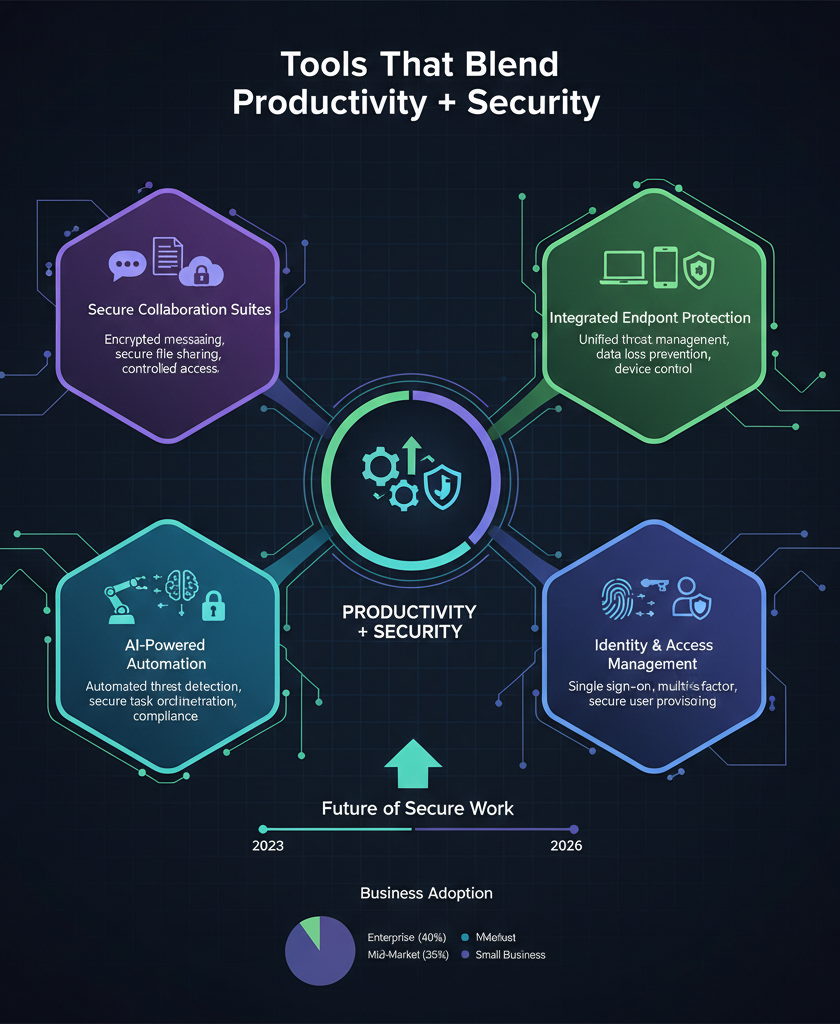
Some platforms combine both functionality and protective features.
8. Microsoft 365
Microsoft 365 offers productivity apps like Word and Teams alongside built-in security features like data loss prevention and Information Protection.
What makes it strong:
-
Deep integration across tools
-
Enterprise-grade security controls
-
Scalable licensing options
For businesses already invested in the Microsoft ecosystem, this is a unified solution.
9. Notion
Notion is an all-in-one workspace where teams can write, plan, and organize. Its flexible database and page structure make it a creative hub for remote teams.
Favorite features:
-
Shared knowledge base
-
Custom workflows and templates
-
Secure team spaces
Notion works best for teams focused on documentation, planning, and internal knowledge.
10. Jira
Jira, popular with software teams, manages workflows, sprints, and backlogs. When paired with Confluence, it offers transparency from planning to execution.
What it offers:
-
Agile project tracking
-
Custom workflows
-
Integration with developer tools
It’s ideal for tech teams that need structure and visibility.
How to Choose the Right SaaS Stack
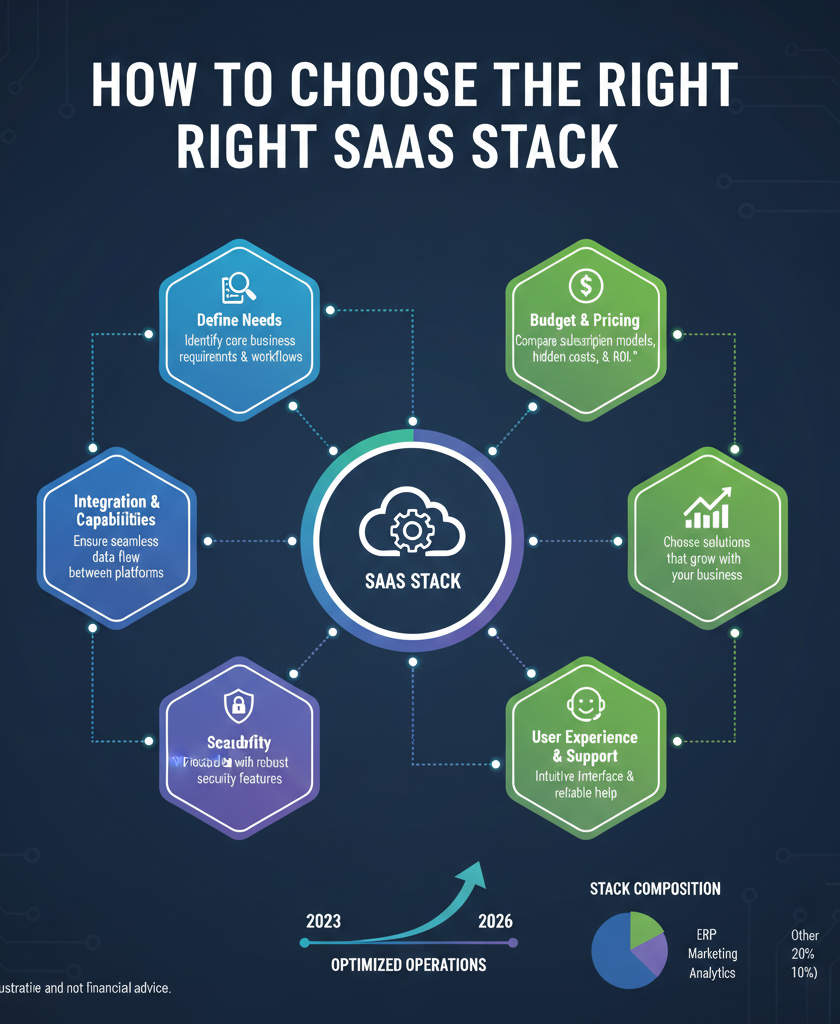
Selecting the best SaaS tools depends on your team’s size, workflows, and priorities. Here’s a quick checklist to help:
For Productivity:
✔ Does the tool simplify communication?
✔ Does it integrate with tools your team already uses?
✔ Is it easy to onboard?
For Security:
✔ Does it support multi-factor authentication?
✔ Can you manage access centrally?
✔ Does it protect data on devices and in transit?
When tools play well together, they don’t just solve individual problems — they create a digital ecosystem that keeps teams coordinated and secure.
Final Thoughts

Remote work isn’t going away — if anything, it’s becoming more integrated into how companies operate. The best SaaS platforms for remote teams are the ones that strike a balance between collaboration, productivity, and security. Whether your priority is real-time communication, streamlined projects, or stronger defenses against threats, the right stack empowers teams to work confidently and effectively.