

Cybersecurity Software for Enterprises: Top Solutions to Protect Digital Assets in 2026
In an era defined by rising cyber threats, protecting enterprise networks and data has become more critical than ever. In 2026, organizations face not only traditional risks like ransomware and phishing but also emerging dangers tied to AI-driven attacks and hybrid workforces. The right cybersecurity software can help enterprises stay ahead of evolving threats and protect their most valuable digital assets.
Below, we explore some of the top cybersecurity solutions enterprises should consider in 2026, blending industry trends and cutting-edge platforms that deliver real-world defense.
🔐 Why Cybersecurity Matters for Enterprises in 2026
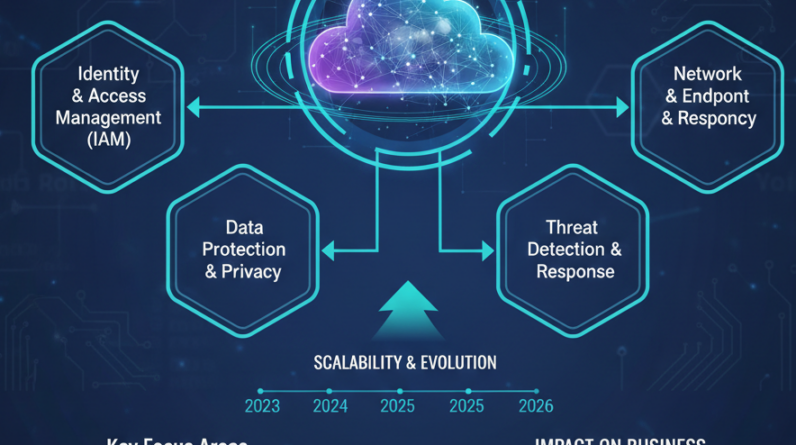
Today’s digital ecosystems are sprawling — spanning cloud workloads, user endpoints, hybrid workloads, and increasingly, automated AI agents that handle business operations. This expanded attack surface attracts sophisticated cybercriminals and increases the potential impact of breaches. Effective enterprise cybersecurity must combine real-time threat detection, automation, identity protection, data loss prevention, and rapid incident response capabilities.
🛡️ Leading Enterprise Cybersecurity Software Solutions

1. CrowdStrike Falcon – Advanced Endpoint and Threat Protection
CrowdStrike Falcon continues to lead enterprise endpoint security with its cloud-native platform, which uses AI and machine learning to monitor and respond to threats across thousands of devices. Its unified approach to endpoint detection and response (EDR) helps companies stop sophisticated attacks in real time.
Best for: Large enterprises seeking cloud-based, scalable threat detection with minimal system overhead.
2. Palo Alto Networks – Integrated Security & Zero-Trust Architecture
Palo Alto Networks delivers advanced cybersecurity capabilities that span network firewalls, cloud security, and Zero Trust principles. Its platforms use machine intelligence to identify anomalies and reduce attack surface exposure across distributed environments.
Best for: Enterprises focused on comprehensive network defense and Zero Trust frameworks.
3. SentinelOne Singularity – Autonomous Security Automation
SentinelOne’s Singularity platform exemplifies next-generation autonomous defense. Its behavioral AI detects and responds to threats across endpoints without requiring substantial manual intervention, accelerating response time and reducing human workload.
Best for: Organizations that want proactive, self-healing security across endpoints and cloud services.
4. Acronis Cyber Protect Cloud – Unified Protection & Backup
Acronis combines cybersecurity with data backup and disaster recovery, helping enterprises protect not just against live attacks but data loss as well. Its integrated platform uses predictive AI to block threats like ransomware before they can execute.
Best for: Enterprise IT teams that need robust backup plus security in one solution.
5. Check Point Harmony – Threat Prevention & Secure Access
Check Point’s Harmony platform includes threat prevention, firewall protection, and secure remote access solutions, helping enterprises defend against phishing, malware, and unauthorized access with minimal performance impact.
Best for: Companies needing scalable firewall and threat prevention across cloud, network, and remote users.
6. Portnox Cloud – Zero Trust Access & Network Control
Portnox Cloud eliminates traditional network complexity with a cloud-native zero-trust solution for access control and authentication. It provides real-time visibility and dynamic risk enforcement across users and devices.
Best for: Teams prioritizing seamless zero-trust access and network enforcement.
7. Seraphic Security – Browser & Web-Based Protection
Seraphic protects one of the most frequently exploited surfaces — the web browser — by intercepting threats before they can reach critical enterprise systems. Its lightweight architecture makes it ideal for securing modern browser-centric workflows.
Best for: Organizations with extensive web-based application usage and mobile access.
8. WebTitan – Real-Time Web Filtering & Threat Intelligence
WebTitan stands out for its DNS-based filtering capabilities, blocking phishing, malware, and risky domains in real time. This tool complements other layers of defense within an enterprise security stack.
Best for: Enterprises seeking easy-to-deploy web threat prevention with clear policy controls.
🧠 Emerging Trends Shaping Cybersecurity in 2026
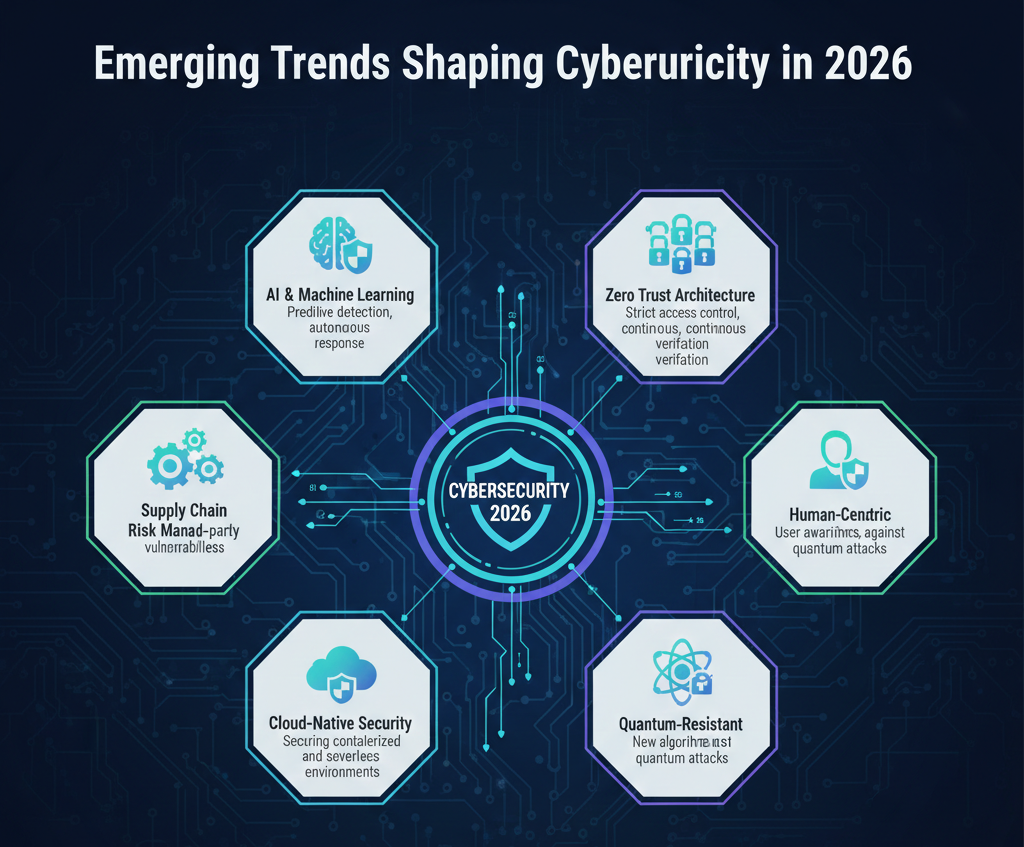
The enterprise security landscape continues to evolve with cutting-edge developments:
-
AI & Machine Learning: AI-powered automation is now central to threat hunting and security analytics, reducing response time and manual overhead.
-
Identity Security: Companies are increasingly integrating identity threat detection and continuous access evaluation to defend hybrid workforces.
-
Quantum-Resilient Cryptography: Forward-looking firms are exploring cryptographic solutions that anticipate future quantum computing threats.
🏁 Final Takeaway
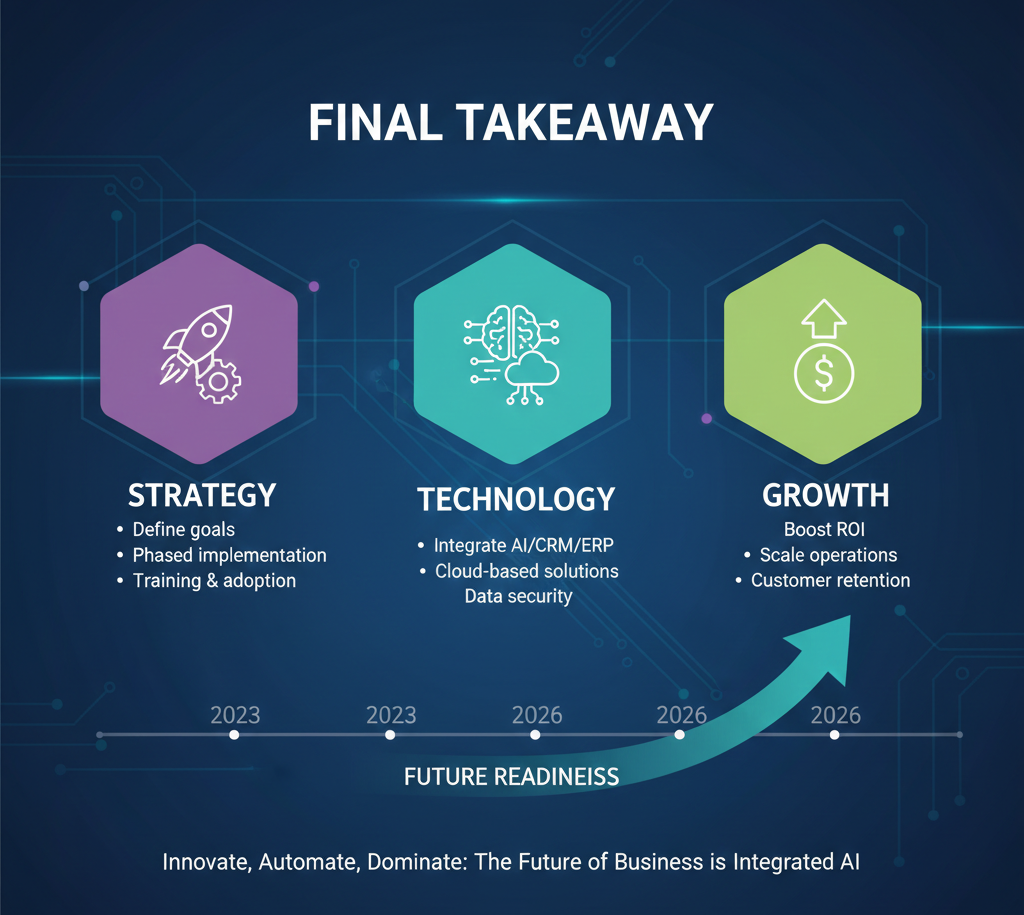
Enterprise cybersecurity in 2026 requires a multi-layered strategy that blends endpoint security, cloud-native defenses, Zero Trust access controls, and real-time analytics. While tools vary in focus, choosing platforms that integrate seamlessly, scale with demand, and leverage intelligent automation will be key to protecting digital assets in an increasingly hostile cyber environment.