

Top Digital Marketing Tools for Small Businesses in the USA (High-Converting Platforms)
Running a small business in the United States today means navigating a crowded digital landscape. With customers spending more time online than ever before, choosing the right digital marketing tools can make the difference between slow growth and rapid success. Whether you’re managing social media, email campaigns, or website analytics, the tools you pick should help streamline work, improve conversions, and boost revenue.
In this guide, we’ll explore some of the top digital marketing tools ideal for small businesses in the USA — platforms that deliver results, are easy to use, and help drive cost-effective growth.
Why Small Businesses Need Digital Marketing Tools
Before diving into specific platforms, it’s important to understand why digital marketing tools matter:
-
Efficiency: One system can manage tasks that used to take hours of manual work.
-
Insight: Analytics provide real data on what’s working — and what’s not.
-
Automation: Automating posts, emails, and ads frees you to focus on strategy.
-
Reach: The right tools help businesses connect with customers across search, social, and email.
Today’s digital tools aren’t just for big brands. Small businesses can leverage them to compete effectively and grow without needing large marketing teams.
Top Digital Marketing Tools for Small Businesses in 2026
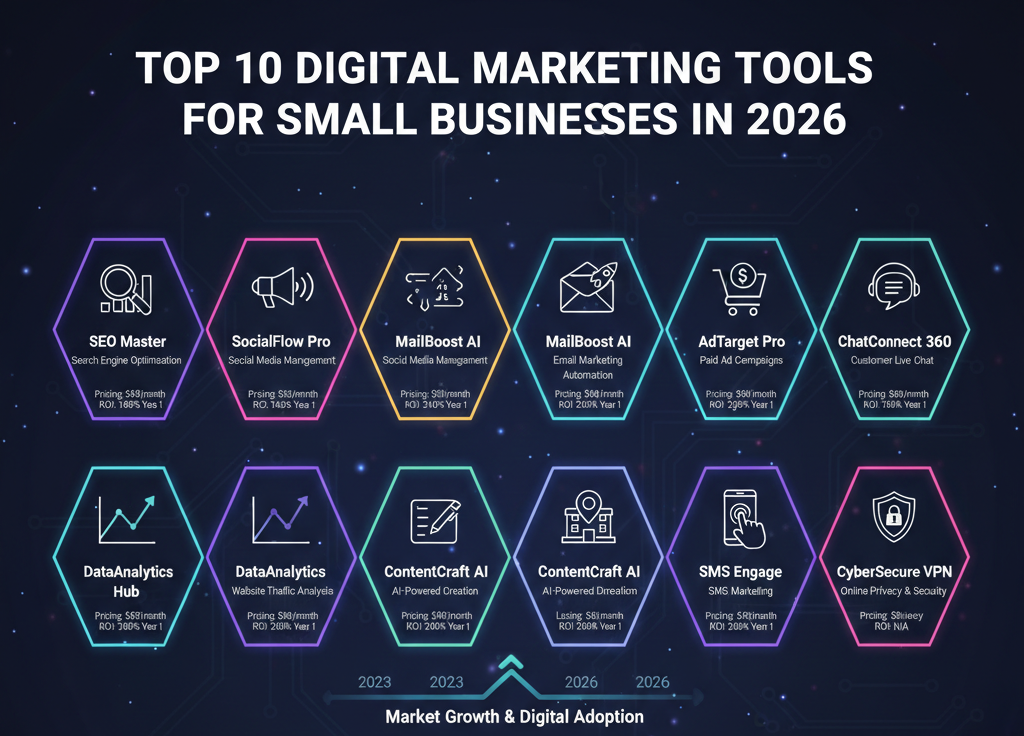
Here’s a detailed list of high-converting platforms popular with U.S. small businesses:
1. Marketing Automation: HubSpot
HubSpot remains one of the most comprehensive marketing platforms for small businesses. It combines email marketing, CRM, social media management, landing pages, and more into a single dashboard.
Why it’s great:
-
User-friendly even for beginners
-
Automates workflows and follow-ups
-
Scales with your business
HubSpot is ideal for businesses wanting a unified platform that handles everything from lead capture to conversion.
2. Email Marketing: Mailchimp
Mailchimp has become a go-to tool for email campaigns, especially for smaller teams. Its drag-and-drop builder and ready-made templates make campaign creation quick and painless.
Key advantages:
-
Affordable pricing tiers
-
Strong automation features
-
Detailed campaign analytics
Email marketing remains one of the highest ROI channels for small businesses — and Mailchimp makes it easy to manage.
3. Social Media Scheduling: Buffer
Buffer simplifies social media marketing by allowing users to schedule content across platforms such as Facebook, Instagram, LinkedIn, and Twitter.
Benefits for small businesses:
-
Simple scheduling interface
-
Performance analytics
-
Affordable plans
Consistency on social media builds brand awareness over time, and Buffer keeps your calendar organized.
4. SEO & Keyword Tools: Semrush
Visibility in search engines matters more than ever. Semrush provides tools for keyword research, backlink analysis, and rank tracking.
Why marketers love it:
-
Competitor insights
-
Powerful keyword research tool
-
Site health reports
Small businesses can use Semrush to attract organic traffic without guesswork.
5. Website Analytics: Google Analytics 4
Google Analytics is a must-have for businesses that want to understand user behavior on their website. The upgraded GA4 focuses on customer journeys across devices and platforms.
Top advantages:
-
Deep insights into traffic and conversions
-
Advanced user tracking
-
Free to use
For any business serious about digital growth, Analytics is non-negotiable.
6. Customer Chat & Support: Intercom
Intercom offers chat widgets and automated messaging to engage site visitors instantly. Whether answering questions or guiding sales, real-time communication improves conversions.
Best for:
-
E-commerce stores
-
SaaS companies
-
Support teams
Instant engagement helps reduce abandoned carts and increases customer satisfaction.
7. Ad Management: Google Ads
Google Ads helps businesses place ads in search results and on Google’s display network. With keyword targeting and ad budgeting, it’s a powerful way to reach customers actively searching for your products or services.
Highlights:
-
Pay-per-click pricing
-
Targeted campaigns
-
Measurable ROI
Google Ads works especially well when combined with SEO and analytics data.
8. Landing Page Builder: Unbounce
Landing pages are essential for converting clicks into leads. Unbounce makes it easy to create optimized landing pages without coding.
Why it’s effective:
-
Drag-and-drop page builder
-
A/B testing tools
-
Templates designed for conversion
A well-designed landing page often boosts lead generation significantly.
9. Influencer Marketing: Upfluence
The rise of influencers offers small businesses new ways to connect with niche audiences. Upfluence helps identify, manage, and track influencer partnerships.
Good for:
-
E-commerce brands
-
Local businesses
-
Consumer-focused campaigns
By partnering with relevant influencers, small brands can reach engaged audiences.
10. Content Creation: Canva
Canva allows anyone to design professional visuals — from social posts to website graphics — without needing a designer.
Benefits:
-
Easy drag-and-drop interface
-
Templates for every platform
-
Affordable pricing
Visual content is critical in today’s crowded digital space, and Canva makes creating it simple.
Choosing the Best Tools for Your Business
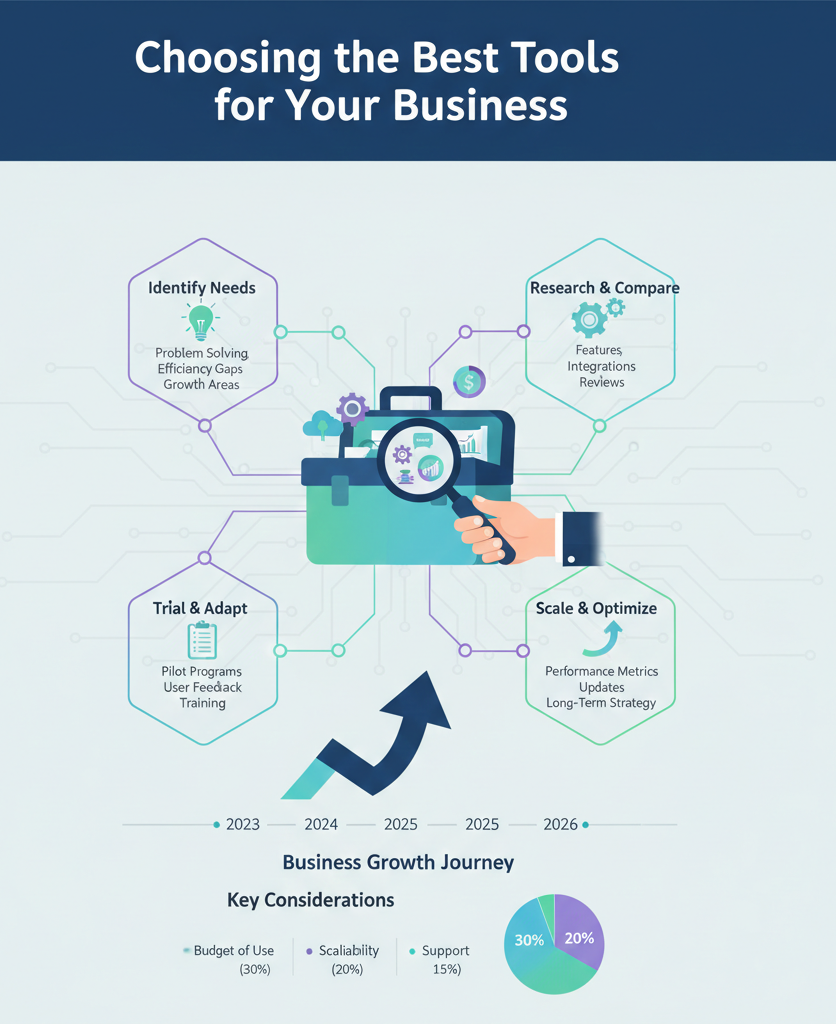
When selecting tools for your business, think about:
-
Your marketing goals (brand awareness vs lead generation)
-
Monthly budget constraints
-
Integrations with existing systems
-
Ease of use for your team
You don’t have to adopt all tools at once. Start with the ones that solve your biggest challenges and expand as your needs evolve.
Final Thoughts

Digital marketing doesn’t have to be overwhelming. With the right platforms, small businesses in the USA can automate workflows, reach new customers, and grow revenue faster than ever before. Investing in tools that fit your goals — and mastering how to use them — will give you a powerful edge in today’s competitive landscape.