

Best AI Software for Business Automation in 2026 (Pricing & ROI Guide)

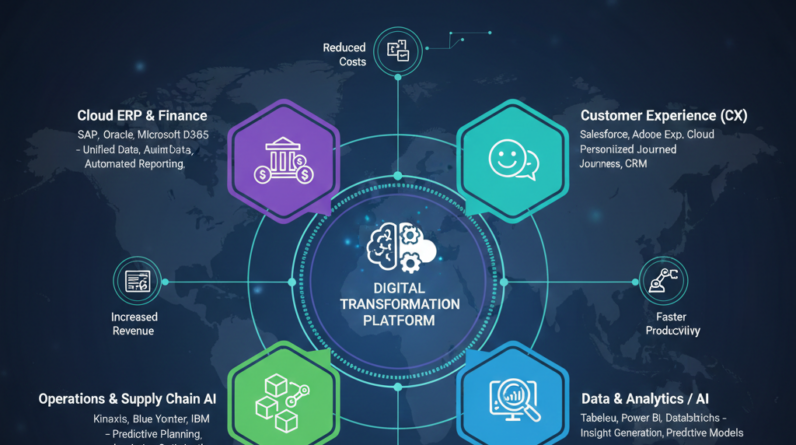
Artificial intelligence is no longer a futuristic concept reserved for tech giants. In 2026, AI-powered business automation has become a practical, revenue-driven investment for companies of all sizes. From streamlining operations to improving customer experiences, the right AI software can reduce costs, increase productivity, and deliver measurable returns on investment (ROI).
This guide explores the best AI software for business automation in 2026, explains typical pricing models, and helps you understand how to evaluate ROI before making a decision.
Why AI Business Automation Matters in 2026
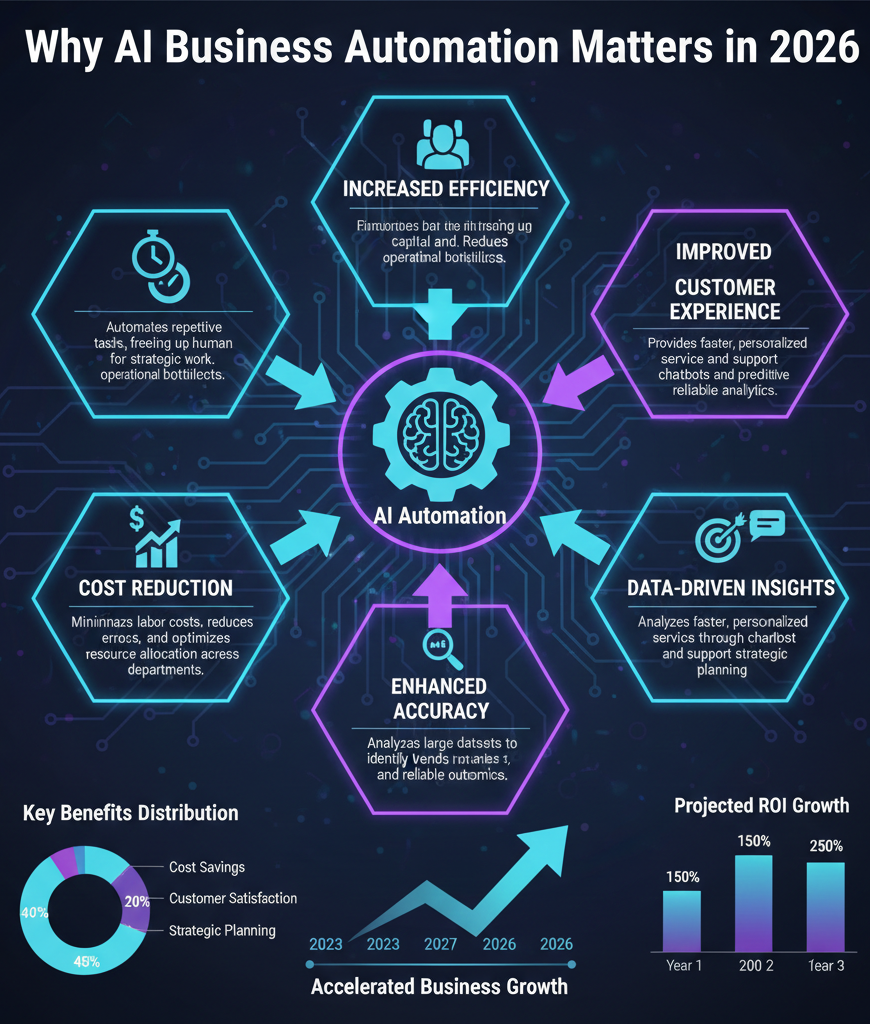
Businesses today operate in a fast-moving digital environment where efficiency directly impacts competitiveness. AI automation tools are designed to handle repetitive tasks, analyze large datasets, and make intelligent recommendations in real time. As a result, teams can focus on strategic work instead of manual processes.
In 2026, AI software has matured significantly. Tools are easier to integrate, more accurate, and far more customizable than earlier generations. Companies using AI automation often report faster workflows, fewer errors, and improved decision-making across departments.
Top AI Software Categories for Business Automation
Rather than looking at one-size-fits-all platforms, most businesses benefit from combining AI tools across several key areas.
1. AI Workflow Automation Platforms
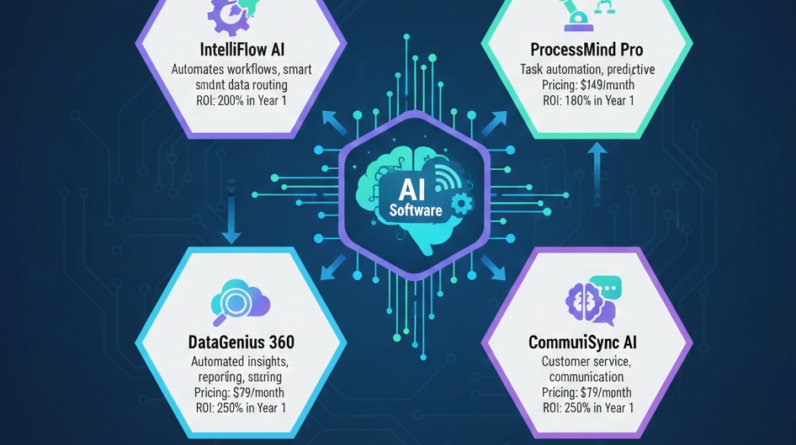
These tools automate end-to-end business processes such as approvals, task assignments, and data synchronization between systems. Popular platforms use machine learning to identify bottlenecks and continuously optimize workflows.
Best for: Operations teams, enterprise management, process optimization.
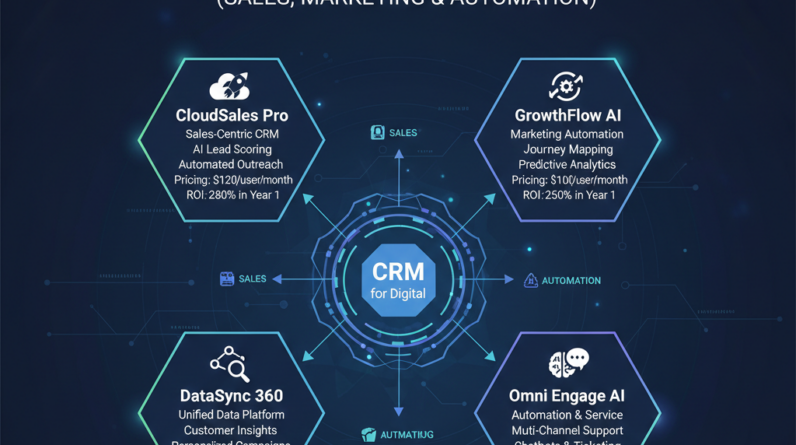
2. AI-Powered CRM and Sales Automation
Modern CRM systems use AI to automate lead scoring, follow-ups, pipeline forecasting, and customer insights. AI can predict which prospects are most likely to convert and recommend the best next actions for sales teams.
Best for: Sales-driven businesses, B2B companies, digital agencies.
3. AI Customer Support and Chatbots
AI chatbots and virtual assistants now handle complex customer queries with near-human accuracy. In 2026, these tools integrate seamlessly with CRM and helpdesk systems, reducing response times and support costs.
Best for: E-commerce, SaaS companies, service-based businesses.
4. AI Accounting and Financial Automation
AI software can automate invoicing, expense categorization, cash flow forecasting, and fraud detection. These tools help finance teams reduce human error while maintaining compliance.
Best for: Finance departments, startups, online businesses.
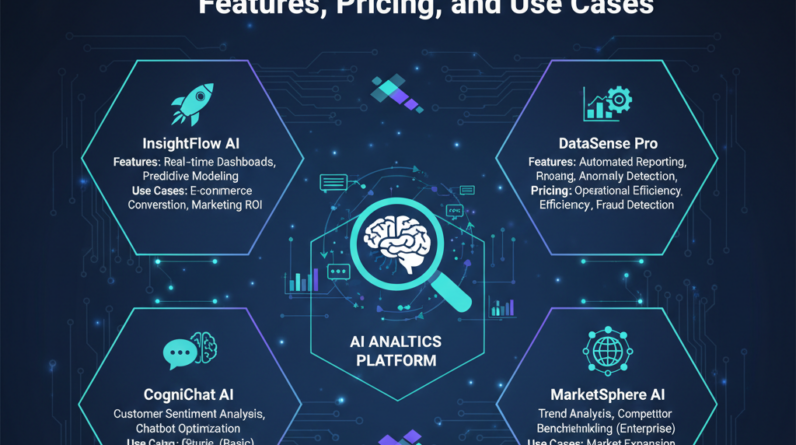
5. AI Data Analytics and Business Intelligence
AI-driven analytics platforms transform raw data into actionable insights. They automate reporting, detect trends, and support data-driven decisions without requiring advanced technical skills.
Best for: Executives, data teams, growth-focused companies.
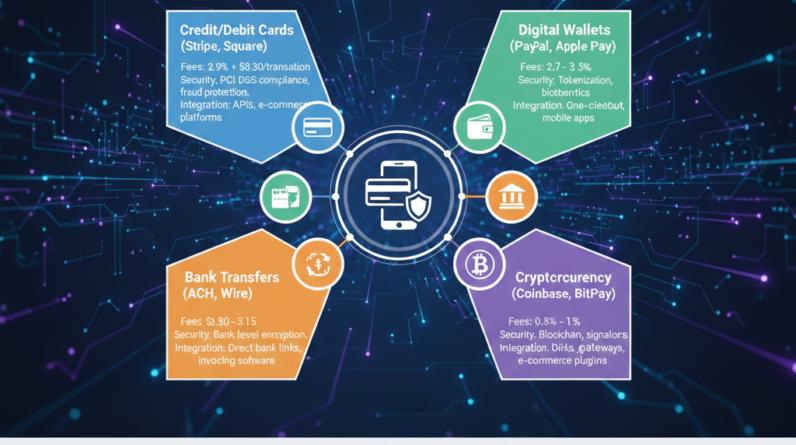
Pricing Models for AI Automation Software
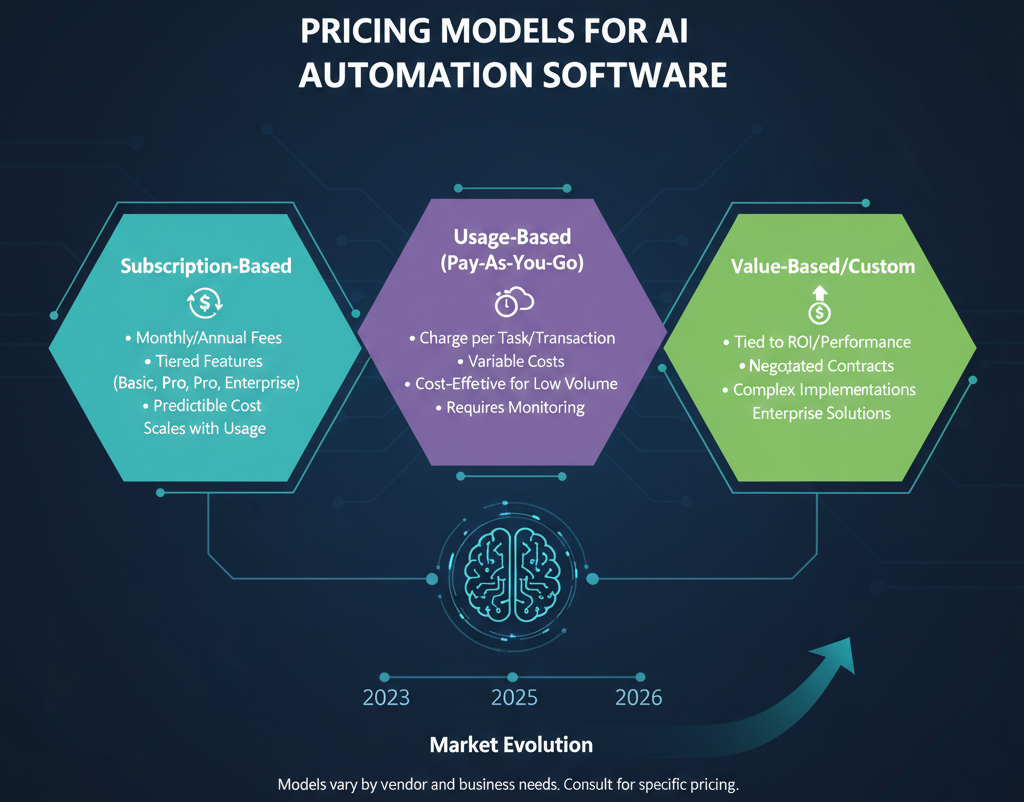
AI software pricing in 2026 generally follows these models:
-
Subscription-Based Pricing: Monthly or annual fees based on users or features. Common for SaaS platforms.
-
Usage-Based Pricing: Costs depend on automation volume, API calls, or processed data.
-
Enterprise Licensing: Custom pricing for large organizations with complex needs.
-
Freemium Models: Basic features are free, with advanced automation behind paid plans.
On average, small businesses can expect to spend a few hundred dollars per month, while enterprise solutions may cost several thousand dollars monthly depending on scale and customization.
How to Measure ROI from AI Automation
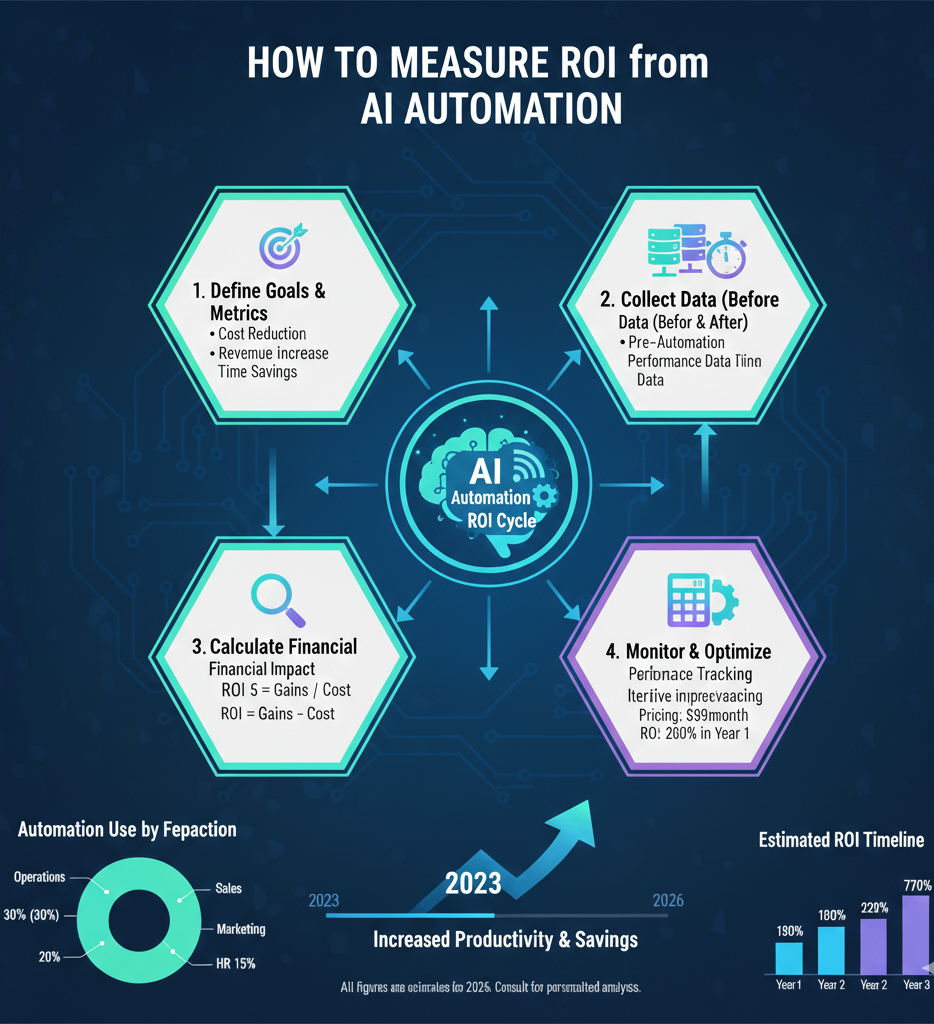
To calculate ROI effectively, businesses should focus on both direct and indirect benefits:
-
Time savings: Reduced manual work hours across teams.
-
Cost reduction: Lower operational and support expenses.
-
Revenue growth: Improved conversion rates and customer retention.
-
Error reduction: Fewer mistakes in data entry, billing, or reporting.
-
Scalability: Ability to grow without hiring proportional staff.
Most companies see positive ROI within 3 to 9 months when AI tools are implemented strategically and aligned with clear business goals.
How to Choose the Right AI Software
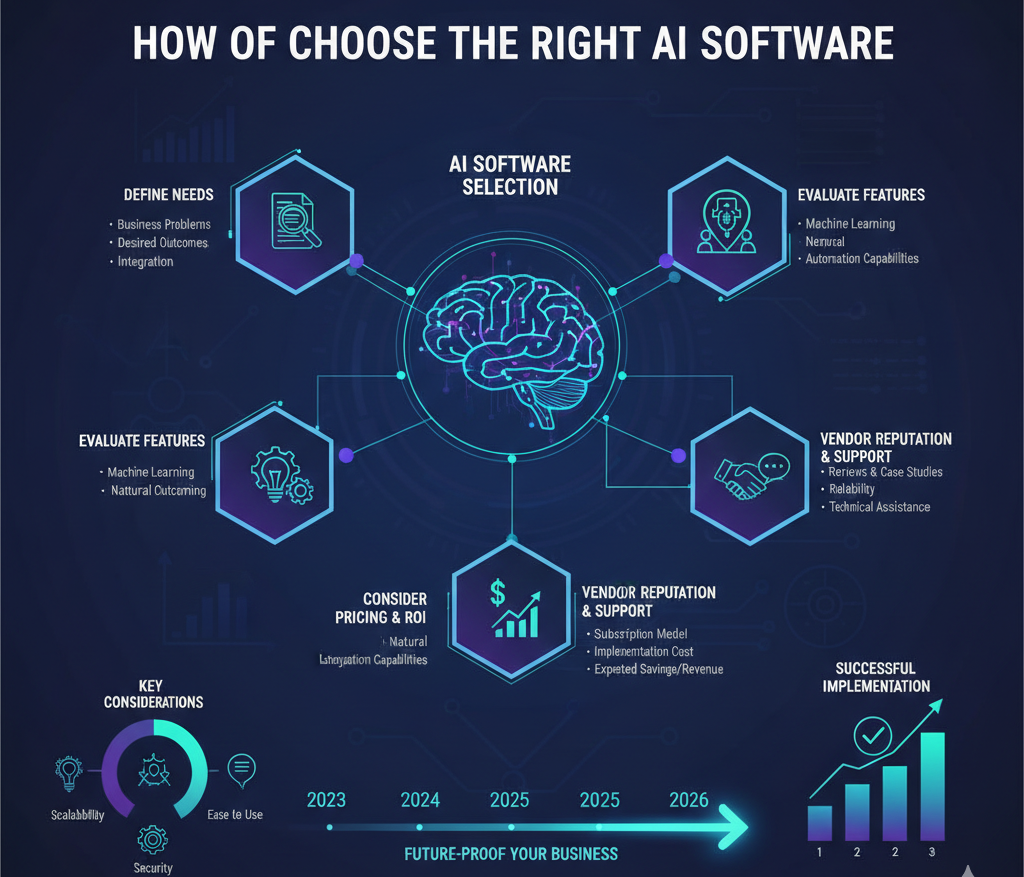
Before investing, consider these factors:
-
Compatibility with existing systems
-
Ease of use and onboarding
-
Data security and compliance standards
-
Vendor support and update frequency
-
Clear performance metrics and reporting
The best AI software is not necessarily the most expensive one, but the platform that fits your workflows and delivers consistent, measurable results.
Final Thoughts

In 2026, AI software for business automation is no longer optional for companies aiming to stay competitive. With the right tools, businesses can automate intelligently, control costs, and achieve sustainable growth. By understanding pricing structures and focusing on ROI, decision-makers can turn AI from a buzzword into a powerful business asset.